
Setting Up Local Delivery Hubs for Faster Retail Deliveries
By Kris Van der Bijl ·
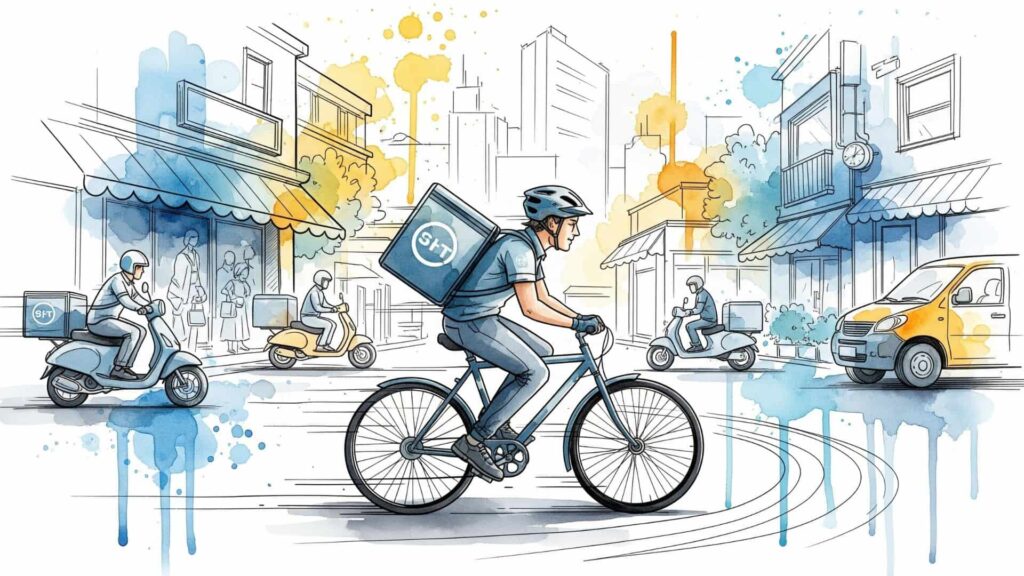
Local delivery hubs bring your inventory closer to customers — and closer proximity means faster delivery times. Here's how retailers can establish local hubs to power same-day fulfilment.
What Is a Local Delivery Hub?
A local delivery hub is a small warehouse, fulfilment point, or retail back-of-house location that holds a curated inventory of fast-moving products. Orders placed before a cut-off time are picked, packed, and dispatched from the nearest hub — not a central warehouse hundreds of kilometres away.
Step 1: Identify Your High-Density Customer Zones
Analyse your order data to identify postcodes or suburbs that generate the most same-day orders. These are your priority hub locations.
Step 2: Choose Your Hub Model
You have several options: lease a small commercial space, partner with an existing 3PL with local presence, or use your own retail stores as fulfilment points. The right model depends on your volume, product type, and existing infrastructure.
Step 3: Curate Your Hub Inventory
Not everything needs to be at every hub. Stock your 20% of SKUs that generate 80% of same-day orders. Less-popular items can be fulfilled from your central warehouse with next-day delivery.
Step 4: Connect Your Hub to Your OMS
Your order management system must know which hub holds which stock and route orders accordingly. Real-time inventory synchronisation across hubs and your central warehouse is essential.
Step 5: Partner with a Same-Day Courier
A local hub is only as useful as the courier who picks up from it. Partner with Same Day Express, powered by Zoom2u, to provide reliable same-day pickup and delivery from your hub locations.